
● CSA Approved ● Australia Standard
● NFRC Approved ● Miami-Dade Approved
● CSA Approved ● Australia Standard
● NFRC Approved ● Miami-Dade Approved
Home > News > Industry News
2026/9/27 17:49:12
2026/9/27 17:42:11
2026/9/27 17:32:45
2026/9/27 17:30:17
2026/9/15 18:06:50
2026/9/15 17:57:20
2026/9/15 17:41:14
2026/9/15 17:40:12
The Differences Between UPVC Windows & Doors and Aluminum Windows & Doors
UPVC and aluminum alloy are the two most mainstream materials for modern windows and doors, widely used in residential buildings, commercial projects, villas and renovation projects. Both styles offer good sealing performance and decorative effects, but they differ greatly in durability, thermal insulation, strength, appearance and application scenarios. Choosing the right window system can effectively improve building comfort, energy efficiency and long-term cost performance.
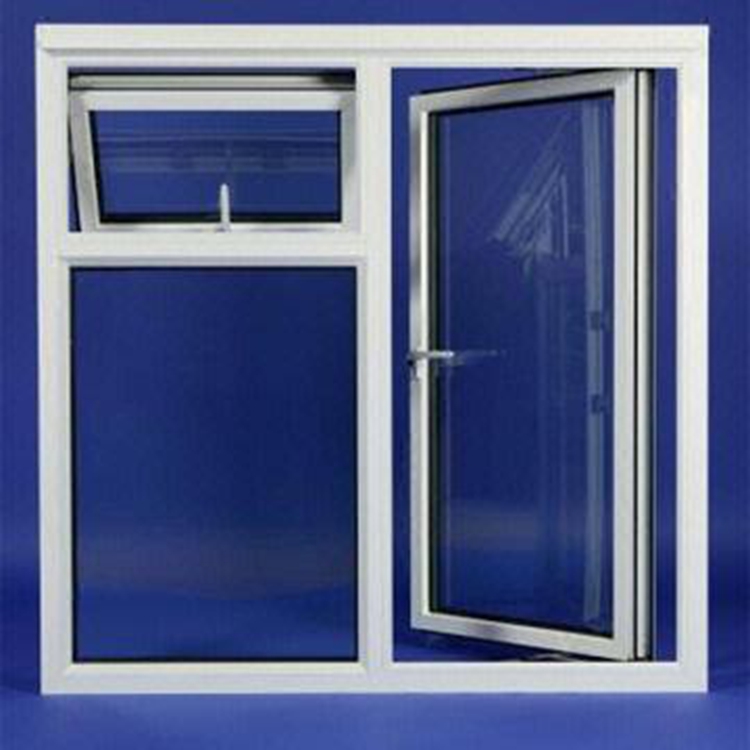
UPVC Windows & Doors: UPVC is a natural heat-insulating material with low thermal conductivity. The multi-cavity profile structure greatly reduces heat transfer between indoor and outdoor. It provides excellent heat insulation in summer and heat preservation in winter, effectively reducing air conditioning and heating energy consumption. It is the preferred energy-saving material for residential buildings and cold or high-temperature areas.
Aluminum Windows & Doors: Pure aluminum metal has strong thermal conductivity, which used to cause obvious heat and cold transmission. Although modern broken-bridge aluminum technology optimizes the insulation effect, its overall thermal insulation performance is still slightly lower than standard UPVC profiles. It is more suitable for areas with mild climates or projects that prioritize structural strength over extreme energy saving.
UPVC Windows & Doors: UPVC profiles are rigid and sturdy with good overall stability. They can fully meet the usage needs of low-rise and mid-rise residential buildings. With reinforced steel inside the cavity, the wind pressure resistance and load-bearing capacity can be further improved. However, it is not suitable for super-large window sashes and ultra-high-rise buildings due to material ductility limits.
Aluminum Windows & Doors: Aluminum alloy features high hardness, strong toughness and excellent tensile strength. It has outstanding wind resistance, shock resistance and deformation resistance, and can support ultra-large glass panels and high-rise building facade windows. It is the standard choice for high-rise buildings, commercial buildings, curtain wall systems and large bay window designs.
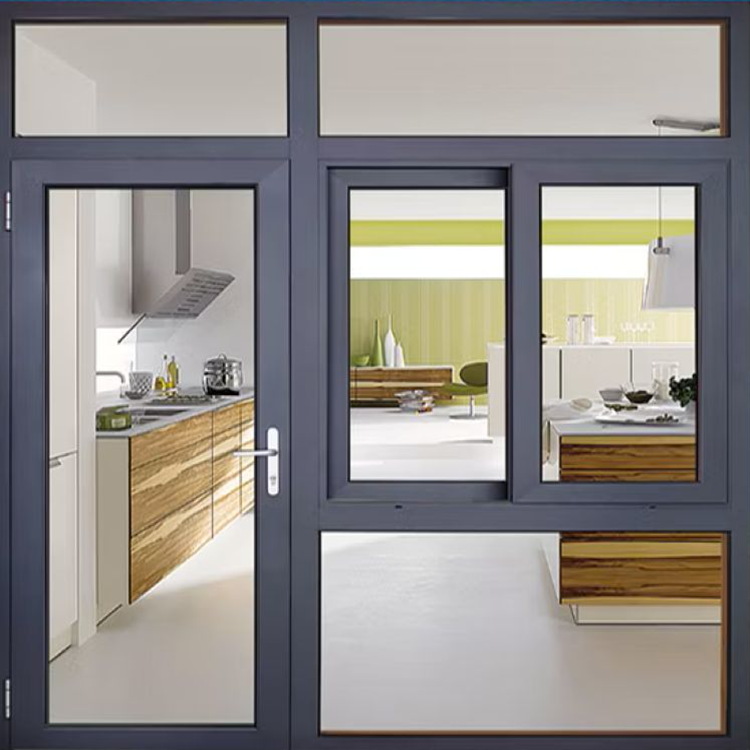
UPVC Windows & Doors: High-quality UPVC materials are anti-aging, anti-corrosion, rust-proof and UV-resistant. They will never rust or be eroded by rainwater, acid and alkali. With stable physical properties, the normal service life can reach 20–30 years. The only limitation is that long-term strong ultraviolet radiation may cause slight color fading on low-quality profiles.
Aluminum Windows & Doors: Modern aluminum doors and windows adopt anti-oxidation spraying, fluorocarbon coating and anodizing processes. They are highly resistant to outdoor harsh weather, corrosion and oxidation, with a service life of more than 30 years. The overall structure is more durable and less prone to aging and deformation, suitable for long-term permanent building decoration.
UPVC Windows & Doors: Thanks to multi-layer hollow cavity structure and flexible rubber sealing strips, UPVC windows have excellent airtightness and watertightness. They can effectively isolate outdoor noise and prevent rainwater penetration, providing quieter and drier indoor environment, ideal for communities near roads, downtown areas and noisy environments.
Aluminum Windows & Doors: Ordinary aluminum windows have average sealing performance, while high-quality broken-bridge aluminum systems with optimized sealing structures can achieve good sound and water insulation. Nevertheless, the overall sound insulation effect is still inferior to professional UPVC window systems.
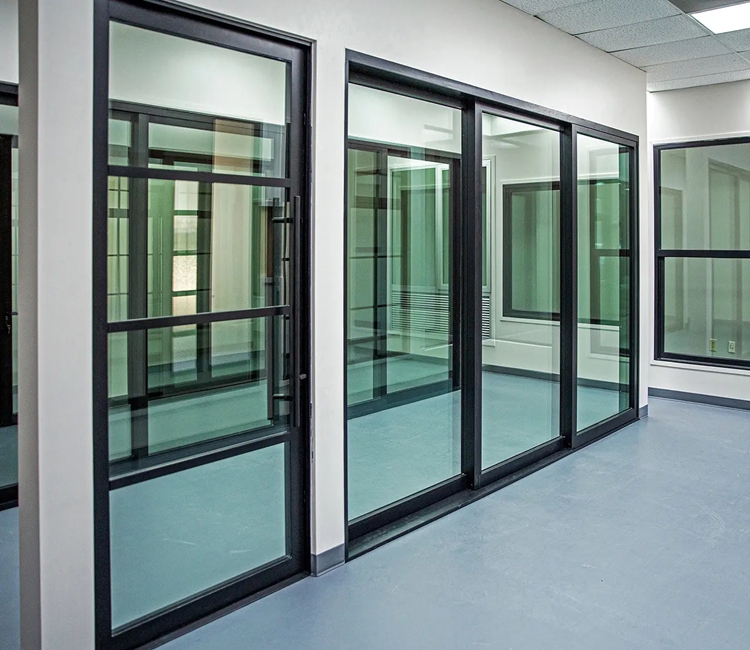
UPVC Windows & Doors: The styles are simple and classic, mainly in white, cream and gray series. The surface is smooth and matte, with a simple and elegant home-style decorative effect, perfectly matching ordinary residential and apartment decoration styles.
Aluminum Windows & Doors: Aluminum profiles support various surface treatments such as frosted, brushed, wood grain and metallic color. They feature slim frame design, stronger three-dimensional sense and modern texture, which are more in line with high-end villas, luxury apartments, office buildings and modern minimalist architectural aesthetics.
UPVC Windows & Doors: With lower material and processing costs, they offer ultra-high cost performance. The surface is easy to clean, free of painting and anti-rust maintenance, saving later maintenance time and cost, which is very suitable for civil residential and mass engineering projects.
Aluminum Windows & Doors: The overall cost is higher, especially broken-bridge aluminum system windows with higher configuration. Although the initial investment is large, they have higher structural stability and lower failure rate, suitable for high-standard construction projects with higher budget requirements.
Final Summary
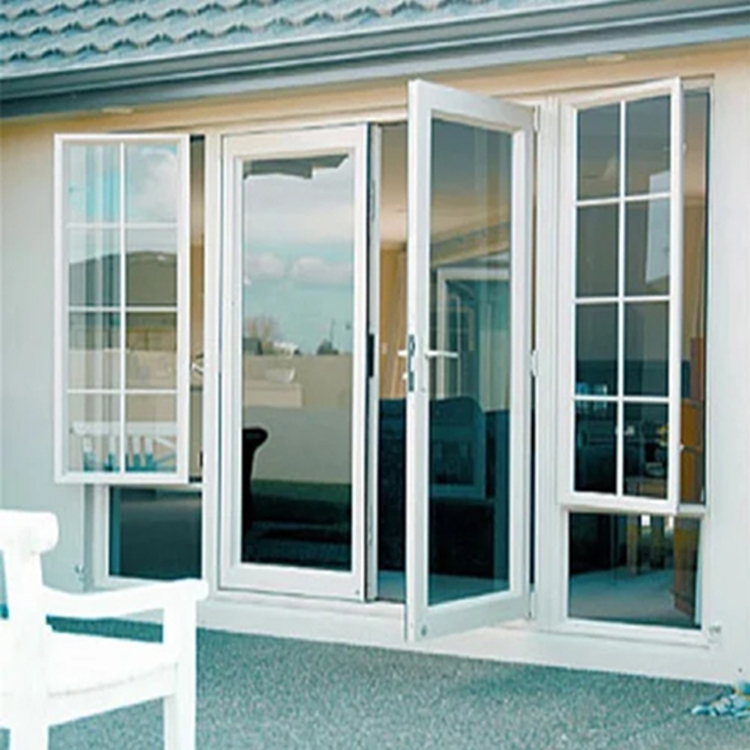
UPVC windows and doors are the best choice for ordinary residences, apartments and renovation projects, focusing on energy saving, sound insulation, cost performance and zero maintenance. Aluminum alloy windows and doors are more suitable for high-rise buildings, commercial projects, high-end villas and large-size window designs, focusing on structural safety, modern appearance and long-term durability.
#CurtainWallSystems
#EnergyEfficientWindows
#AluminumAlloyProfiles