
● CSA Approved ● Australia Standard
● NFRC Approved ● Miami-Dade Approved
● CSA Approved ● Australia Standard
● NFRC Approved ● Miami-Dade Approved
Home > News > Industry News
2026/7/27 9:49:06
2026/7/27 9:48:02
2026/7/27 9:46:28
2026/7/11 20:08:15
2026/7/11 20:06:48
2026/7/11 20:05:09
2026/7/3 9:40:54
2026/7/3 9:37:53
Quality Inspection Standards for Thermal Break Aluminum Windows
As a professional manufacturer of aluminum alloy doors and windows, we always take product quality as the core. To help customers understand how to identify high-quality Thermal Break Aluminum Windows, we release our full set of factory inspection standards and testing procedures, covering material verification, dimensional accuracy, performance testing, hardware function, sealing and appearance inspection.
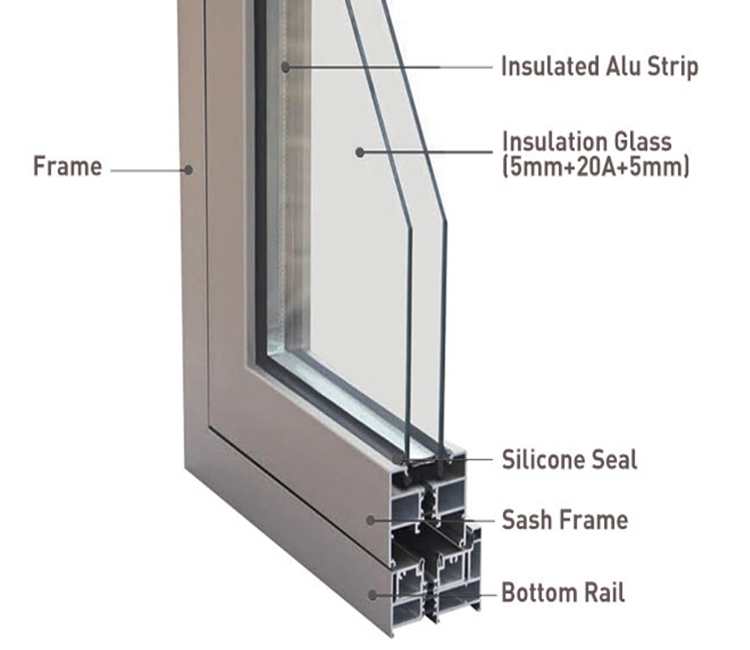
We strictly inspect aluminum profiles to ensure structural strength and durability.
• Wall Thickness: Main profile wall thickness for external windows meets GB/T 8478-2020 standard ≥1.8mm; internal windows ≥1.4mm. We use micrometers for multi-point measurement to reject thin or recycled aluminum materials.
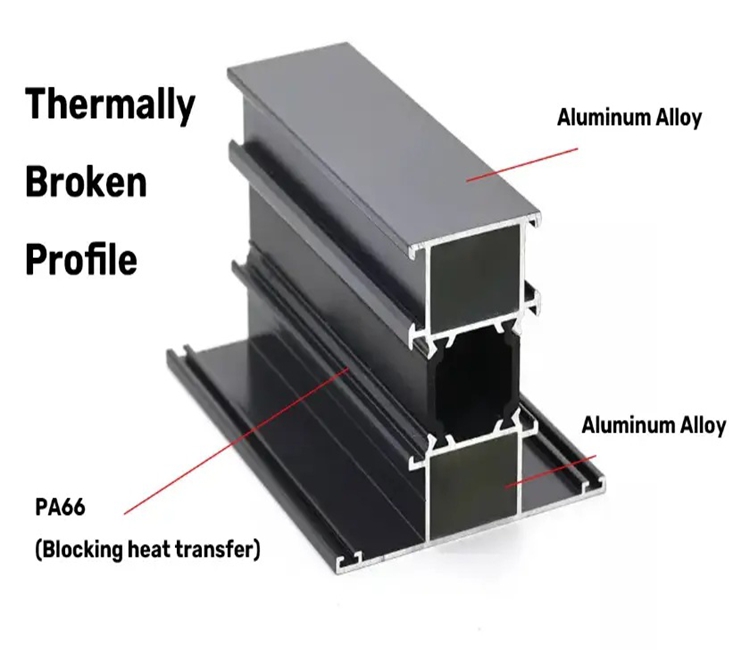
• Thermal Break Strip: Only PA66 GF25 nylon thermal break strips are used, with stable heat insulation, high temperature resistance and good toughness. PVC strips are prohibited.
• Surface Coating: Powder coating thickness ≥40μm; fluorocarbon coating ≥30μm. Coating adhesion reaches Grade 0 (cross-cut test), no peeling, fading or blistering.
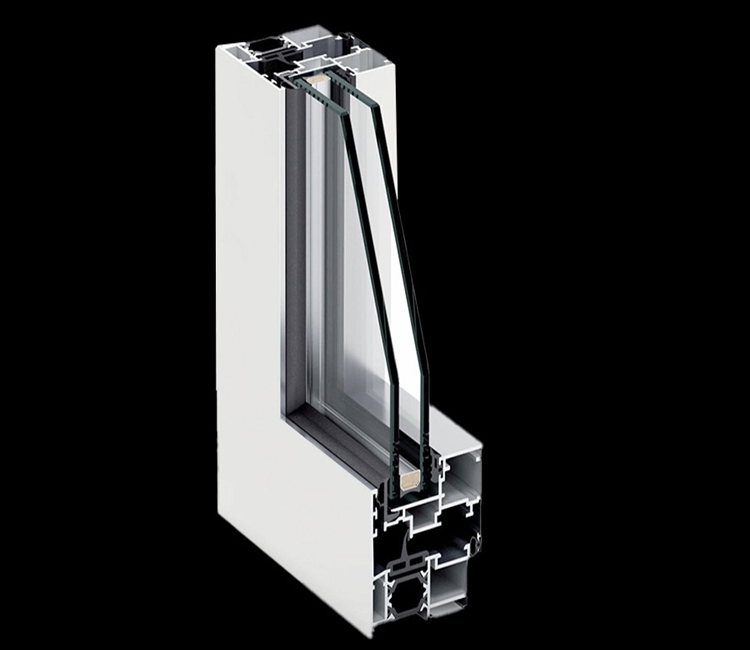
Stable size ensures perfect installation and long-term use.
• Check diagonal deviation, width and height tolerance to ensure within ±1.0mm.
• Inspect corner connection strength, with no gaps, looseness or deformation.
• Ensure smooth assembly between sash and frame, with uniform clearance.
As the core advantage of thermal break windows, insulation performance is fully tested.
• Use professional equipment to test heat transfer coefficient (K-value) in accordance with GB/T 8484.
• Verify the integrity of thermal break structure to ensure no heat bridge.
• Inspect warm-edge spacer for insulating glass to reduce condensation and improve efficiency.
These three performances directly affect service life in outdoor environments.
• Air Tightness: Reach or exceed Grade 6 (GB/T 7106), no air leakage.
• Water Tightness: ≥350Pa; simulate rainstorm flushing, no water seepage inside.
• Wind Pressure Resistance: Test under simulated wind loads; qualified products have no deformation or damage, suitable for high-rise and coastal areas.
• Use 3C certified tempered insulating glass; no bubbles, scratches or impurities.
• Check insulating glass sealing: no fog, no dew, no dust inside the cavity.
• For sound insulation needs, use Laminated Insulating Glass to ensure sound insulation ≥30dB.
Hardware determines service life and ease of use.
• Use high-strength corrosion-resistant hardware: stainless steel, zinc alloy, etc.
• Test opening and closing force: smooth operation, no jamming or noise.
• After 10,000+ opening and closing tests, hardware remains stable and durable.
• Locking points engage tightly for safety and anti-prying performance.
• Inspect EPDM gaskets and weather strips: flexible, no hardening or cracking.
• A4 paper test: clamp paper in closed sash; paper cannot be pulled out, indicating good sealing.
• Anti-aging, anti-ultraviolet and low-temperature resistance tests ensure long service life.
Before delivery, all products undergo full appearance inspection:
• No scratches, dents, color difference or deformation.
• Surface clean, no glue marks, oil stains or burrs.
• Each window pastes factory certificate and model identification.
Conclusion
High-quality Thermal Break Aluminum Windows rely on strict material control, precise processing and comprehensive performance testing. As a professional manufacturer, we implement full-process quality control to ensure every window meets national standards and customer requirements, providing safe, energy-saving, quiet and durable window solutions for global projects.